Allostatic Load: Why You Feel Exhausted Even After 8 Hours of Sleep
You did everything right. You avoided screens before bed, kept your room cool, and slept for a solid 8 hours. Yet, you wake up feeling like you haven’t slept at all.
If this sounds familiar, you might be dealing with allostatic load.
What is Allostatic Load?
Allostasis is your body’s ability to maintain stability through change—how it adapts to stress. When you encounter a stressor, your body releases cortisol and adrenaline to help you cope, then returns to baseline.
Allostatic load is the cumulative wear-and-tear on your body when it is exposed to repeated or chronic stress. When the stress never truly stops, your body’s baseline shifts. Your nervous system stays in a heightened state of alert, and the metabolic cost of maintaining this false equilibrium drains your energy reserves.
Why 8 Hours Isn’t Enough
Sleep is the primary way your body recovers from daily stress. But when your allostatic load is too high, even 8 hours of sleep isn’t enough to clear the deficit.
Here is what happens:
- Sleep Architecture Changes: Chronic stress reduces the amount of slow-wave (deep) sleep you get. Deep sleep is when your body physically repairs itself. Without it, you wake up feeling unrefreshed. For a deep dive into deep sleep, check out our deep sleep guide.
- Elevated Nighttime Cortisol: Your cortisol levels naturally drop at night to allow for sleep. Under high allostatic load, cortisol stays elevated, keeping your brain in a state of hyperarousal.
- Cellular Energy Tax: Research shows that cells exposed to chronic stress hormones require up to 60% more energy to function. Your mitochondria are working overtime just to keep you going.
Signs Your Allostatic Load is Too High
- Waking up exhausted despite adequate sleep duration.
- Feeling “wired but tired” at bedtime.
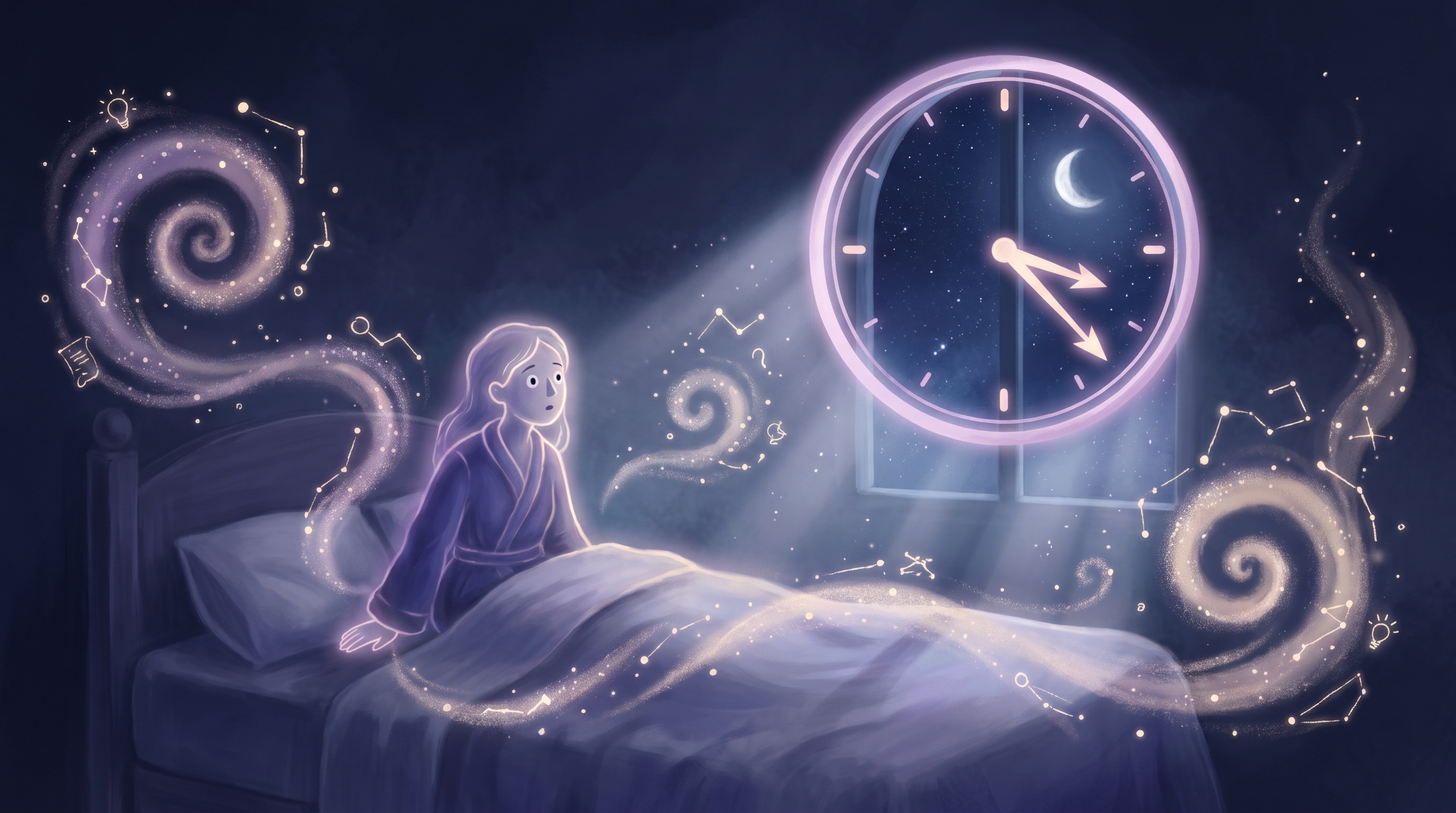
- Frequent middle-of-the-night awakenings (often around 3 AM). Read our article on why you wake up at 3am to learn more.
- Difficulty concentrating or brain fog.
- Increased susceptibility to colds or illnesses.
How to Reduce the Load
Reducing allostatic load isn’t just about sleeping more; it’s about signaling safety to your nervous system during the day.
- Micro-breaks: Don’t wait until the weekend to relax. Take 5-minute breaks every few hours to practice deep breathing and down-regulate your nervous system.
- Prioritize Deep Sleep: Support your deep sleep by keeping your bedroom cold and avoiding alcohol and heavy meals before bed.
- Somatic Reset Techniques: Practices like the physiological sigh (two sharp inhales followed by a long exhale) can rapidly lower your heart rate and signal safety to your brain.
- Sound Therapy: Listening to calming soundscapes like brown noise or nature sounds can help mask disruptive environmental noise and soothe an overactive nervous system.
You can’t out-sleep chronic stress, but by actively managing your allostatic load, you can ensure the sleep you do get is deeply restorative.
Sleep better tonight
60+ calming sounds, breathing exercises and a gentle 14-night sleep plan — all in one app.
Download Sleep Relax