Caffeine's Hidden Cost: How Your Coffee Slashes Growth Hormone by 75%
You drank your last coffee at 2pm. You fell asleep at 11pm without any trouble. Eight hours later, your alarm goes off and you feel… terrible. Groggy, unrested, like you didn’t sleep at all.
Sound familiar? Here’s the uncomfortable truth: caffeine doesn’t just delay sleep onset — it fundamentally changes what happens inside your brain while you sleep, even when you don’t feel a thing.
The 75% Problem Nobody Talks About
Sleep researcher Matt Walker recently highlighted a finding that should make every coffee lover pause: caffeine reduces growth hormone secretion during deep sleep by up to 75%.
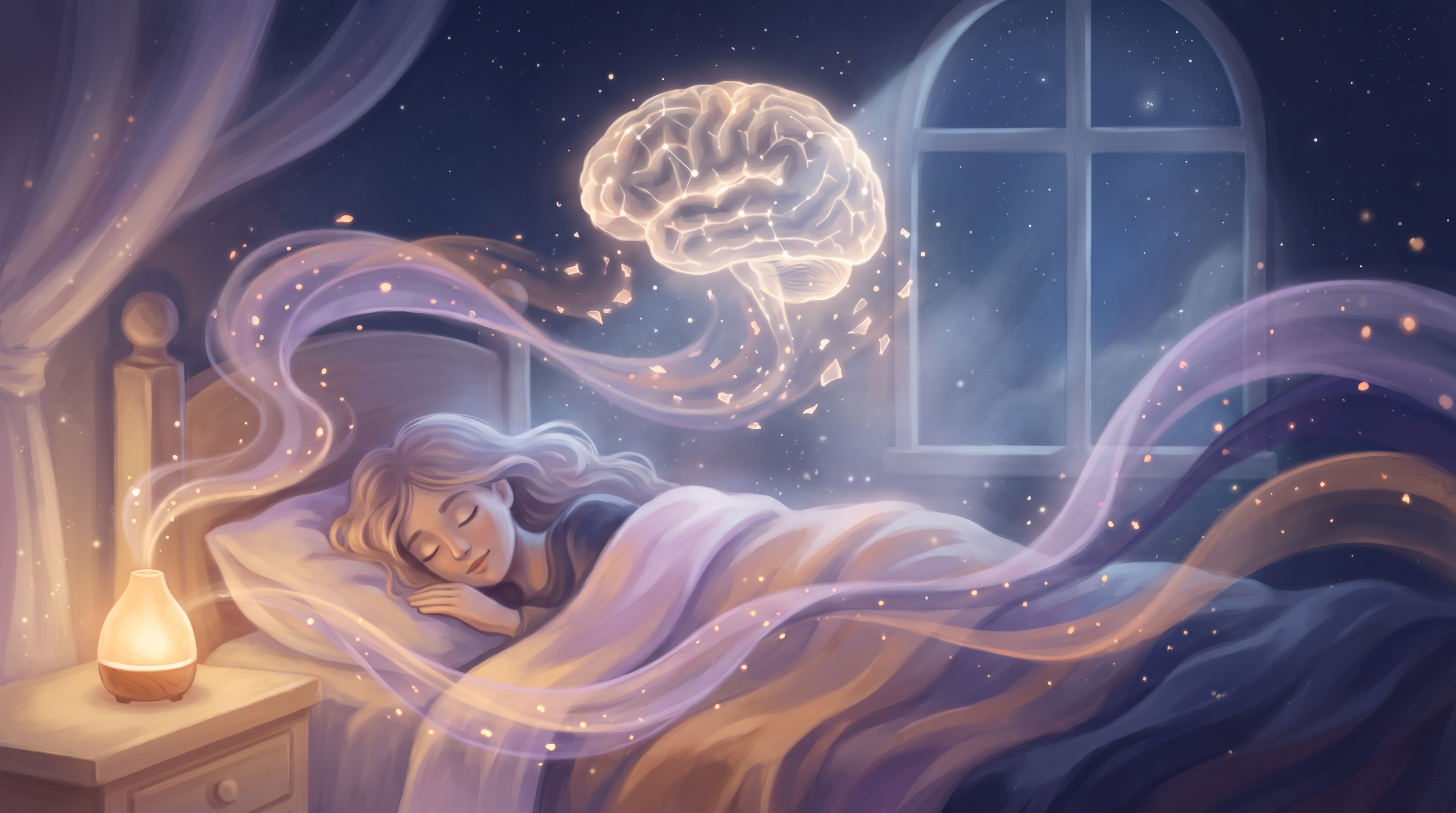
Growth hormone isn’t just for bodybuilders. During deep sleep (slow-wave sleep), your body releases its largest pulse of growth hormone — the signal that triggers:
- Cellular repair throughout your body
- Muscle recovery and tissue maintenance
- Memory consolidation from the day’s learning
- Immune system restoration
When caffeine suppresses this process, you lose the most restorative part of your night. Your sleep tracker might show “7 hours 45 minutes” and declare you well-rested. Your cells disagree.
Why You Don’t Feel It (Until You Do)
Caffeine has a half-life of roughly 5-6 hours in most adults. Drink a coffee at 3pm, and by 9pm you still have half that caffeine circulating. By midnight, a quarter remains.
But here’s the insidious part: you can fall asleep normally with caffeine in your system. Your subjective experience is “I slept fine.” The damage happens underneath — in your sleep architecture.
Deep sleep should make up 13-23% of your total sleep time. Caffeine doesn’t eliminate it entirely, but it makes it shallower and shorter. You cycle through the stages, but the slow waves that trigger growth hormone release never reach their full depth.
This is why chronic coffee drinkers often report feeling perpetually tired despite “sleeping enough.” They’re getting duration without depth.
The Adenosine Deception
To understand caffeine’s mechanism, you need to understand adenosine — the molecule that makes you sleepy.
Throughout the day, adenosine builds up in your brain as a byproduct of neural activity. The more adenosine accumulates, the sleepier you feel. It’s your brain’s natural “time to rest” signal.
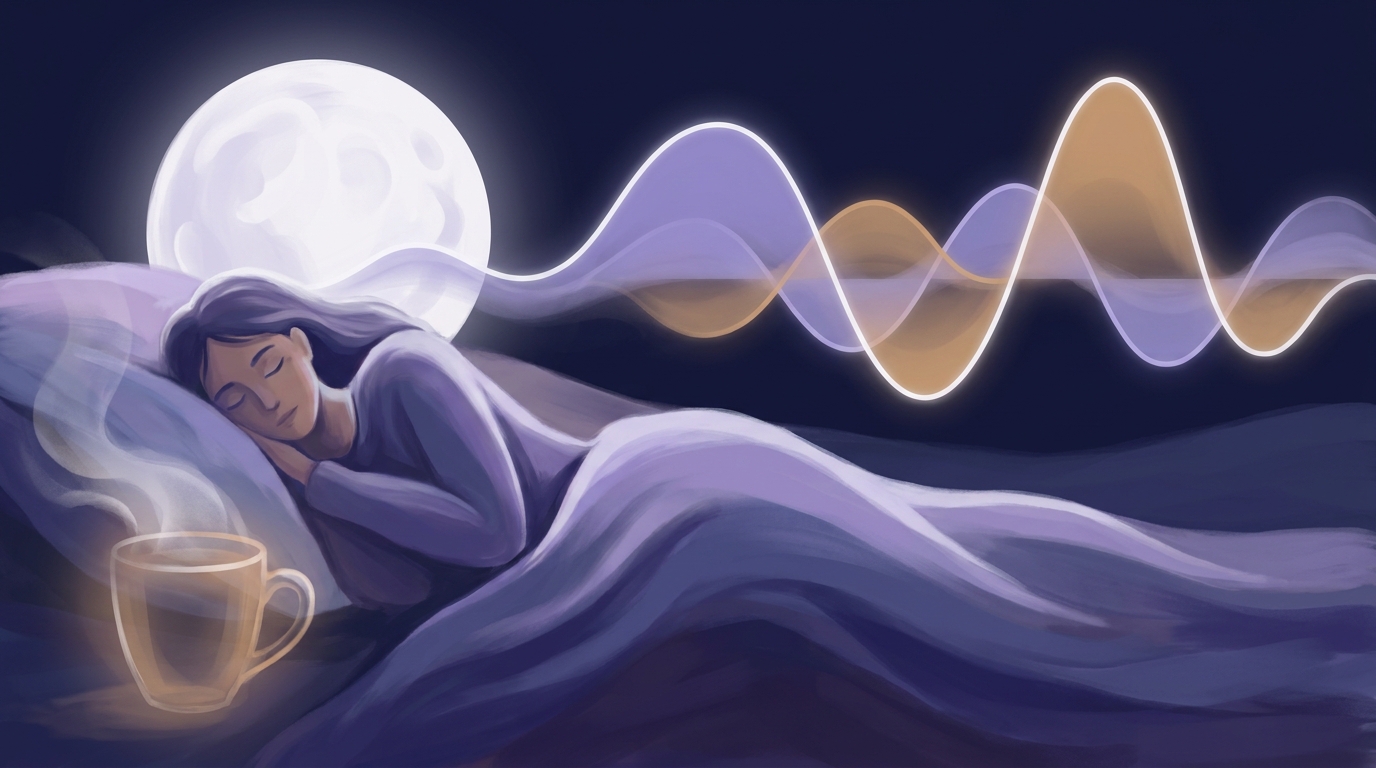
Caffeine works by blocking adenosine receptors. It doesn’t remove adenosine — it just prevents your brain from detecting it. The sleepiness pressure is still building, but you can’t feel it.
When the caffeine eventually wears off, all that accumulated adenosine floods your receptors at once. This is the afternoon crash. And if caffeine is still partially blocking receptors when you go to bed, it creates a tug-of-war between sleep pressure and caffeine that plays out in your deep sleep quality.
How to Protect Your Deep Sleep
The good news: you don’t need to quit coffee. You need to time it strategically.
The 10-Hour Rule
Count backward 10 hours from your typical bedtime. That’s your caffeine cutoff. If you sleep at 11pm, your last coffee should be at 1pm.
Why 10 hours when the half-life is 5-6? Because a quarter-dose of caffeine is still enough to measurably reduce deep sleep quality. The 10-hour buffer gives most people enough clearance.
Fix Your Wake Time First
Matt Walker emphasises this often: fix your wake time 7 days a week to protect deep sleep. A consistent wake time anchors your circadian rhythm, ensuring your deepest sleep phases happen at the right time.
Irregular wake times shift your sleep architecture, and when combined with afternoon caffeine, the compound effect on deep sleep is significant.
The Morning Window
If you want to be strategic about caffeine, consider this protocol:
- Wait 90 minutes after waking before your first coffee. This allows your natural cortisol awakening response to peak and subside — caffeine on top of peak cortisol is redundant and sets up an afternoon crash.
- Enjoy coffee freely from 90 minutes post-wake until 10 hours before bed.
- Switch to herbal tea after your cutoff.
Natural Alternatives for Afternoon Energy
When the 3pm slump hits and coffee is off the table:
- A 10-minute walk outside — bright light suppresses afternoon melatonin and resets alertness
- Cold water on your face — activates the mammalian diving reflex, which paradoxically can increase alertness after the initial calm
- Box breathing (4-4-4-4) — a brief breathing exercise resets your nervous system without chemical intervention
- Brown noise — many people find ambient sound helps sustain focus through afternoon dips
What About Decaf?
Decaf isn’t caffeine-free — a typical decaf coffee contains 2-15mg of caffeine compared to 80-100mg in regular coffee. For most people, this small amount won’t affect sleep. But if you’re particularly caffeine-sensitive, even decaf after 4pm might be worth testing.
Green tea contains L-theanine alongside its caffeine, which may partially buffer the sleep-disrupting effects. But it still contains caffeine, so the timing rules apply.
The Bigger Picture
Caffeine isn’t the enemy. It’s one of the most well-studied performance enhancers we have. The problem is that we’ve normalised consumption patterns that silently degrade the thing we need most: deep, restorative sleep.
The irony is painful: we drink coffee because we’re tired. The coffee makes our sleep worse. So we drink more coffee. The cycle sustains itself because the damage is invisible — you feel tired, but you “slept fine.”
Breaking the cycle doesn’t require quitting caffeine. It requires respecting the 10-hour buffer and paying attention to how you actually feel in the morning, not just how long you slept.
If you’re looking for ways to deepen your sleep naturally, consider replacing that evening cup with a guided breathing exercise or a calming soundscape. Your growth hormone will thank you.
Want to try these sounds tonight? Sleep Relax has 100+ calming sounds with a built-in sleep timer.
Try Sleep Relax FreeFAQ
Does caffeine affect deep sleep even if I fall asleep easily?
Yes. Caffeine’s primary impact on sleep isn’t about falling asleep — it’s about sleep quality. You can fall asleep normally while caffeine is reducing the depth of your slow-wave sleep and suppressing growth hormone release by up to 75%.
How long before bed should I stop drinking coffee?
Most sleep researchers recommend stopping caffeine at least 8-10 hours before bedtime. With caffeine’s half-life of 5-6 hours, even a quarter-dose can measurably reduce deep sleep quality.
Is it better to drink coffee immediately after waking up or wait?
Consider waiting 90 minutes after waking. Your body naturally spikes cortisol to wake you up (the cortisol awakening response). Drinking caffeine during this peak is redundant and may lead to a sharper afternoon crash when both the cortisol and caffeine wear off.
This article is for informational purposes only and is not a substitute for professional medical advice. If you have persistent sleep issues, please consult a healthcare provider.
Sleep better in 14 nights
A gentle 14-night sleep plan based on CBT-I principles, a one-tap 3am button and calming sleep sounds. Nights 1–3 are free.
Download Sleep Relax