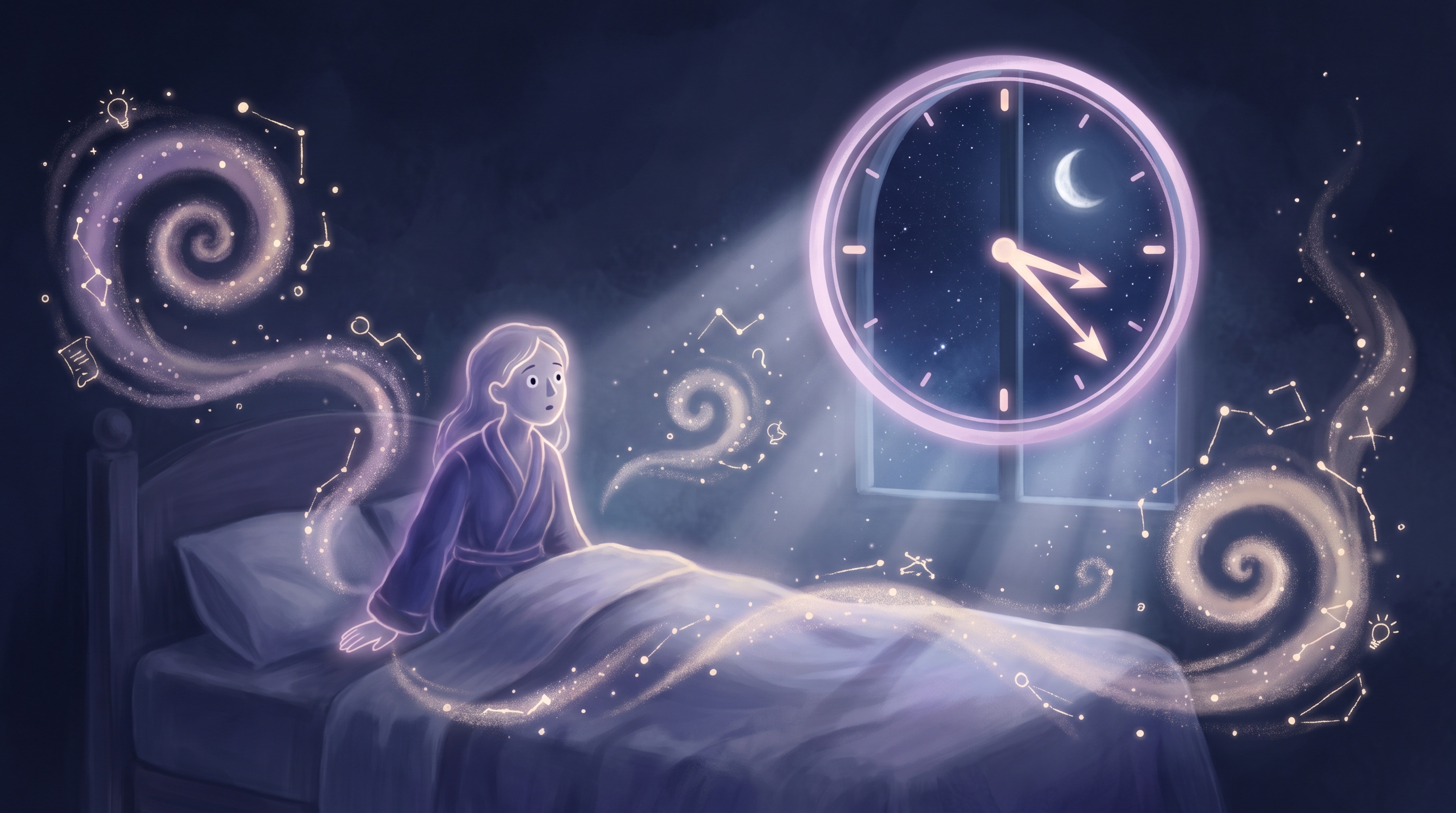
The Glymphatic System: How Your Brain Takes Out the Trash While You Sleep
Imagine throwing a massive dinner party in your home every single day, but never taking out the trash. Before long, your house would be unlivable.
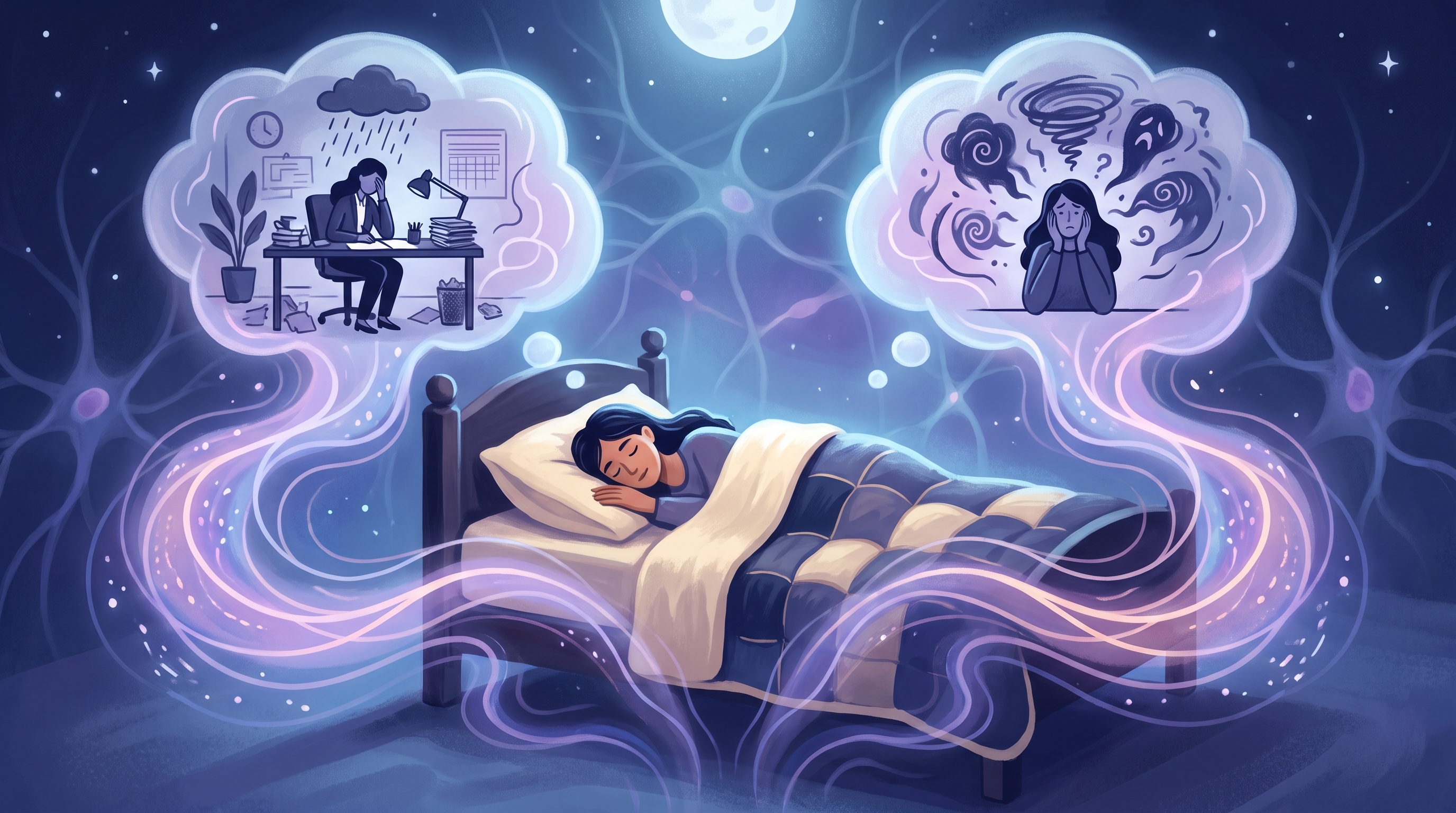
Your brain does something very similar. Every day, as you think, work, and process emotions, your brain cells generate metabolic waste. If that waste isn’t cleared out, it builds up, leading to brain fog, fatigue, and over the long term, serious cognitive issues.
So, when does the brain take out the trash? It happens while you sleep, thanks to an incredible biological mechanism known as the glymphatic system.
What is the Glymphatic System?
Discovered relatively recently in 2012, the glymphatic system is a macroscopic waste clearance system utilized by the central nervous system. Think of it as the brain’s equivalent of the lymphatic system, which clears waste from the rest of your body.
During the day, your brain is too busy processing information to do a deep clean. But when you fall into deep, non-REM sleep, something remarkable happens.
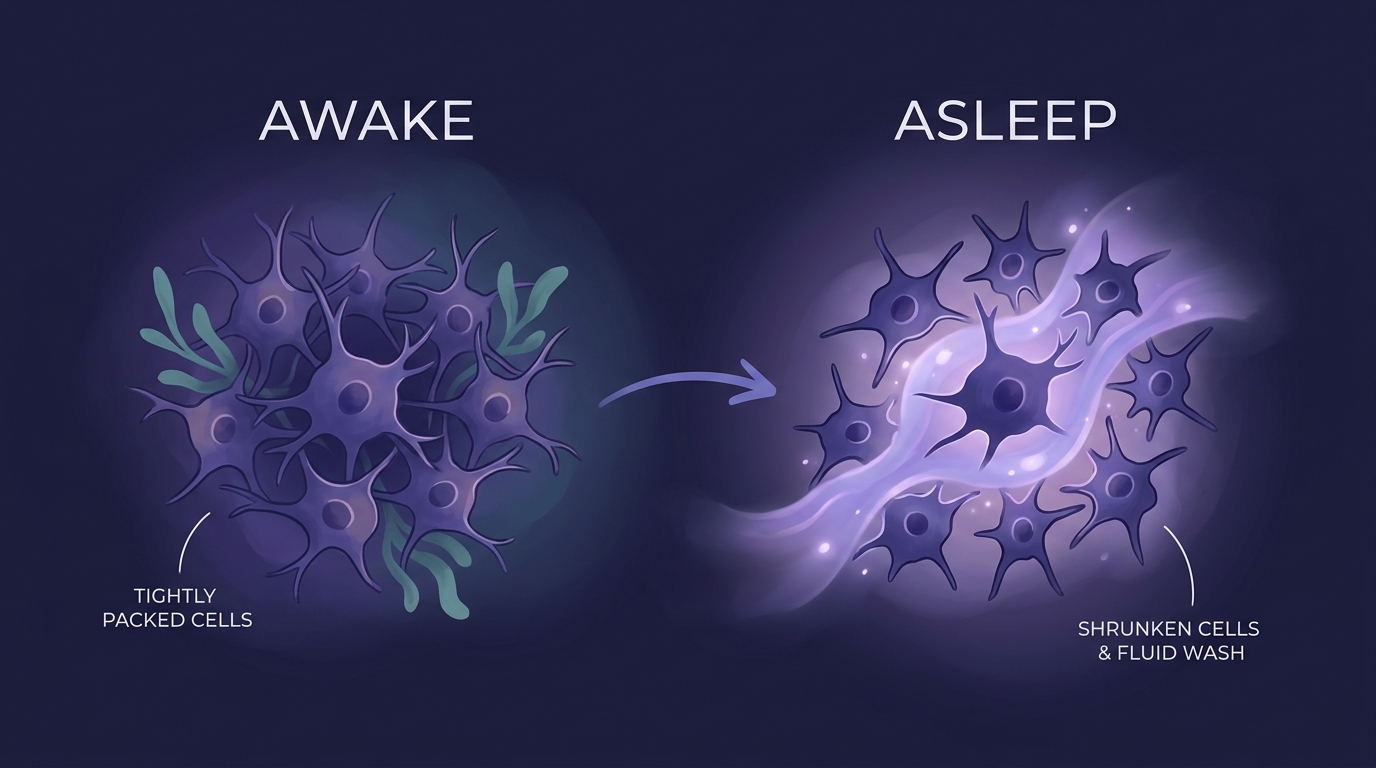
Your brain cells (neurons) actually shrink in size by up to 60%. This shrinkage widens the spaces between the cells, allowing cerebrospinal fluid (CSF) to rush in. This fluid acts like a biological dishwasher, flushing out the toxic proteins and metabolic byproducts that have built up during your waking hours.
Why the Nightly Wash Matters
The glymphatic system is incredibly efficient—it is roughly 90% more active during sleep than during wakefulness. But what exactly is it washing away?
One of the most critical waste products cleared by the glymphatic system is a protein called amyloid-beta.
During normal waking hours, amyloid-beta builds up in the brain. If you get a good night’s sleep, the glymphatic system flushes it out. However, if you are chronically sleep-deprived, this protein accumulates. High levels of amyloid-beta plaque are one of the primary hallmarks of Alzheimer’s disease.
In early 2026, landmark human trials further confirmed that enhancing deep sleep directly improves the clearance of amyloid and tau proteins, cementing the link between poor sleep and long-term cognitive decline.
How to Optimize Your Brain’s Nightly Cleaning
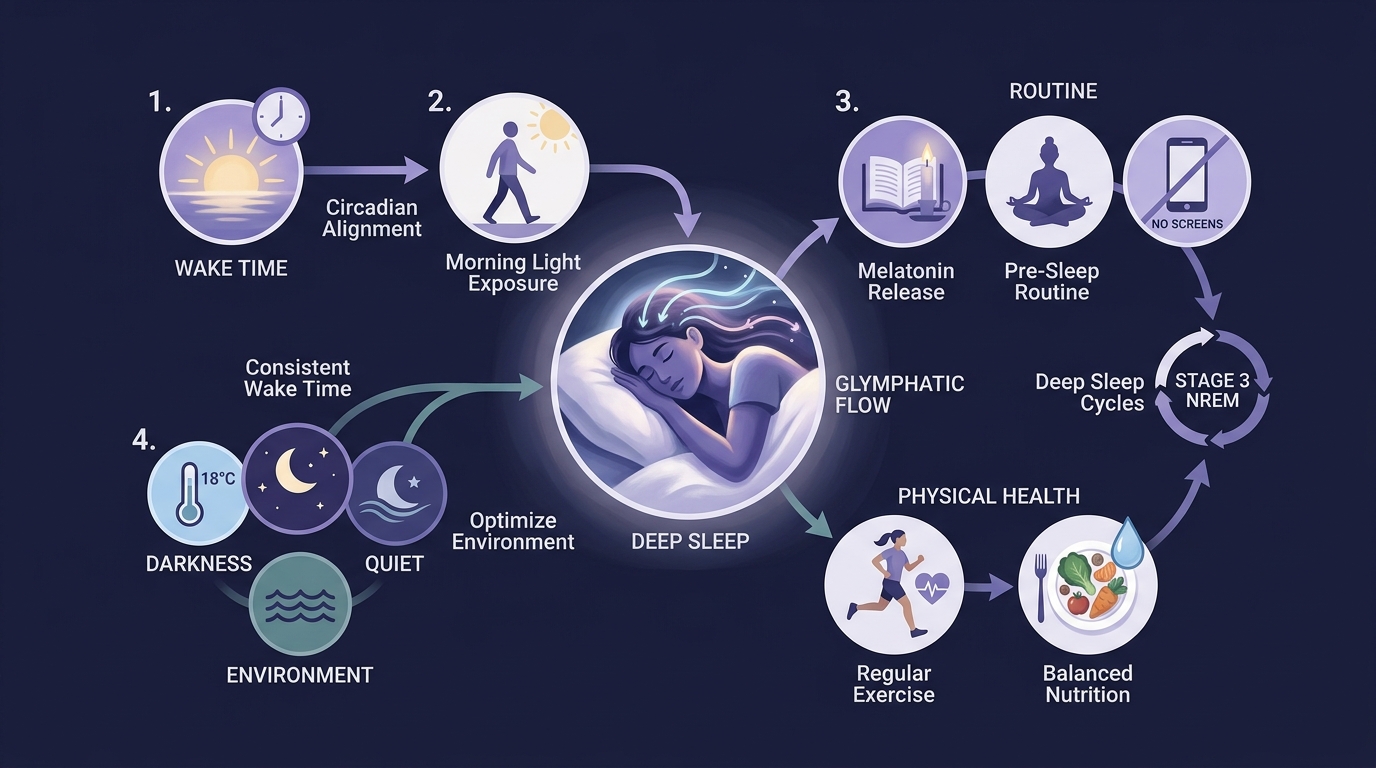
You can’t consciously control your glymphatic system, but you can create the optimal conditions for it to do its job. Because the system is most active during deep, slow-wave sleep (NREM3), your goal is to maximize your time in this restorative sleep stage.
Want to try these sounds tonight? Sleep Relax has 100+ calming sounds with a built-in sleep timer.
Try Sleep Relax FreeHere is how you can support your brain’s nightly cleaning crew:
1. Sleep on your side
Interestingly, research involving MRI scans has shown that glymphatic transport is most efficient in the lateral position (sleeping on your side), compared to sleeping on your back or stomach.
2. Avoid late-night alcohol
While alcohol might help you fall asleep faster, it acts as a severe disruptor to sleep architecture. It heavily fragments your sleep and drastically reduces the amount of deep, slow-wave sleep you get, effectively shutting down the brain’s cleaning process.
3. Manage your stress before bed
High levels of cortisol (the stress hormone) keep your brain in a state of hyperarousal, preventing you from sinking into the deep sleep stages required for glymphatic clearance. Using relaxation techniques, such as guided breathing or sound therapy, can help lower your heart rate and signal to your brain that it’s safe to power down.
FAQs
Does the glymphatic system work if I take naps?
Yes, the glymphatic system can activate during daytime naps, provided the nap is long enough for you to enter deep, slow-wave sleep (usually taking at least 30-40 minutes). However, a full night of consolidated sleep is much more effective for total waste clearance.
Can I catch up on brain cleaning on the weekends?
While sleeping in on the weekends can clear some accumulated waste, research shows that “sleep debt” cannot be fully repaid in just two days. Chronic sleep deprivation causes long-term accumulation of proteins that a single weekend of good sleep cannot entirely flush out. Consistency is key.
Does sleep medication help the glymphatic system?
Many common sleep medications act as sedatives that knock you unconscious but do not actually induce natural, slow-wave deep sleep. In fact, some sedatives can suppress deep sleep, meaning you are unconscious but your brain isn’t getting thoroughly cleaned. Non-pharmacological approaches like cognitive behavioral therapy for insomnia (CBT-I) and relaxation techniques are generally preferred for protecting sleep architecture.
This article is for informational purposes only and is not a substitute for professional medical advice. If you have concerns about your cognitive health or chronic insomnia, please consult a healthcare provider.
Sleep better in 14 nights
A gentle 14-night sleep plan based on CBT-I principles, a one-tap 3am button and calming sleep sounds. Nights 1–3 are free.
Download Sleep Relax