Glymphatic System: How Your Brain Takes Out the Trash While You Sleep
Have you ever woken up after a short night of sleep feeling like your brain is literally enveloped in fog? You can’t focus, your memory is sluggish, and your thoughts feel heavy.
This isn’t just a metaphor. Your brain might actually be full of metabolic waste.
For decades, scientists wondered why humans spend a third of their lives unconscious. The answer, it turns out, is the glymphatic system—a microscopic waste clearance network that is 90% more active when you are asleep.
In this article, we’ll explain how this incredible system works, the 2026 breakthroughs linking it to Alzheimer’s prevention, and how you can optimize your sleep to keep your brain clean.
What is the Glymphatic System?
Every cell in your body produces waste. In the rest of your body, the lymphatic system clears this cellular debris. But the brain, separated by the protective blood-brain barrier, doesn’t have lymphatic vessels.
So how does the brain clean itself?
Discovered just a decade ago and extensively mapped in recent 2026 studies, the glymphatic system uses cerebrospinal fluid (CSF) to wash through brain tissue. It flushes out neurotoxins, misfolded proteins, and metabolic byproducts that accumulate during your waking hours.
Think of it as a nightly power-wash for your neurons.
Why It Only Works While You Sleep
Here is the most crucial part: the glymphatic system is almost entirely dormant while you are awake.
During deep sleep (specifically slow-wave sleep), the glial cells in your brain actually shrink by up to 60%. This opens up the spaces between neurons, allowing CSF to rush in and wash the toxins away. When you wake up, the cells expand again, shutting down the cleaning process.
If you cut your sleep short, you are literally stopping the cleaning cycle halfway through.
The Link to Cognitive Decline
The proteins flushed out by the glymphatic system aren’t just harmless byproducts. Two of the main toxins cleared are amyloid-beta and tau proteins.
These are the exact proteins that form plaques and tangles in the brains of Alzheimer’s patients.
A landmark 2026 human trial confirmed that chronic short sleep accelerates cognitive decline because of disrupted proteostasis (the brain’s protein quality control). When the glymphatic system fails to clear these proteins night after night, they begin to accumulate, driving neuroinflammation and aging.
How to Optimize Your Brain’s Nightly Cleaning
You don’t need expensive supplements to boost your glymphatic system. You just need to maximize your deep sleep. Here is how:
1. Protect Your Deep Sleep Window
The glymphatic system is most active during slow-wave deep sleep, which primarily occurs in the first half of the night. Using tools like brown noise for focus and sleep can help mask environmental disruptions that might pull you out of deep sleep.
2. Sleep on Your Side
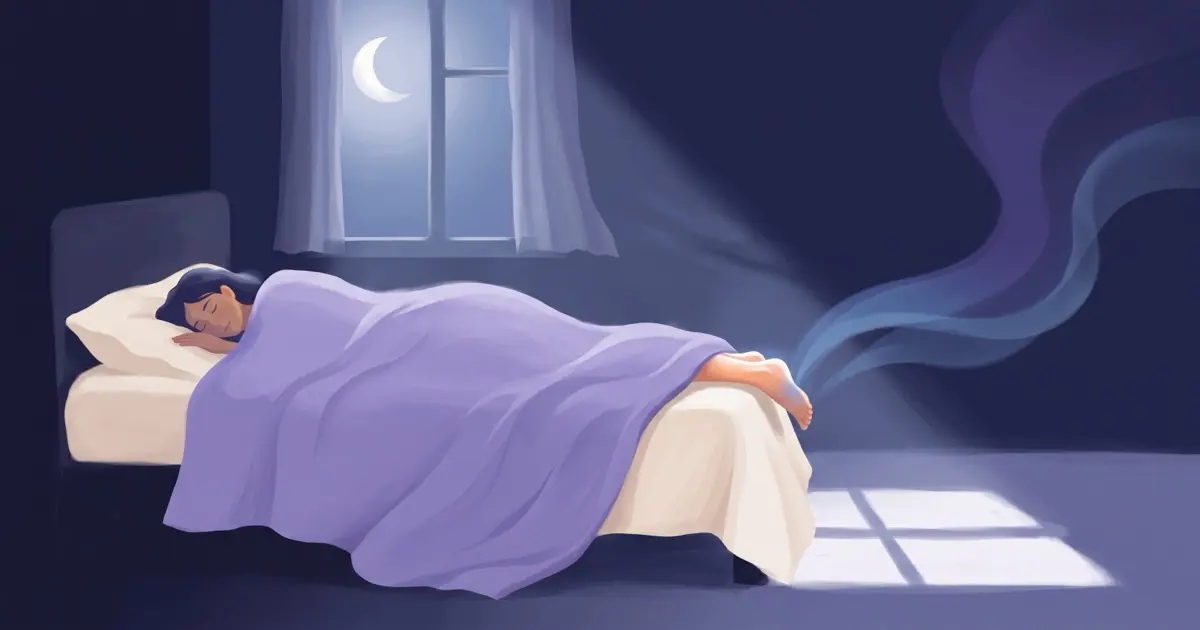
Interestingly, studies suggest that the glymphatic system works most efficiently in the lateral position (sleeping on your side) compared to sleeping on your back or stomach.
3. Avoid Late-Night Alcohol
Alcohol fragments your sleep architecture and heavily suppresses REM and deep sleep, effectively hitting the brakes on your brain’s cleaning process.
4. Practice Calming Breathing Exercises
Stress and elevated cortisol prevent your brain from dropping into restorative sleep. Before bed, try a structured breathing exercise to lower your heart rate. The 4-7-8 breathing technique is highly effective for transitioning your nervous system from “fight or flight” to “rest and digest.”
Let Sound Guide You Into Deep Sleep
Optimizing your deep sleep is the single best thing you can do for your long-term brain health. If racing thoughts or a noisy environment are keeping you awake, sound therapy can help.
The Sleep Relax app provides curated soundscapes and guided breathing exercises designed to help you fall asleep faster and stay asleep longer. No complicated sleep metrics—just pure, uninterrupted calm.
Want to try these sounds tonight? Sleep Relax has 100+ calming sounds with a built-in sleep timer.
Try Sleep Relax FreeDownload Sleep Relax on the App Store to explore our library of deep sleep sounds and start optimizing your brain’s nightly reset.
Sleep better tonight
100+ calming sounds, breathing exercises, and a sleep timer — all in one app.
Download Sleep Relax