Green Noise for Sleep: TikTok Trend Meets Science Reality
If you’ve spent any time on wellness TikTok or Instagram recently, you’ve likely seen the viral videos: people claiming that “green noise” is the ultimate cure for insomnia, racing thoughts, and anxiety. With hashtags racking up millions of views, it sounds like a miracle cure.
But what exactly is green noise? Is it genuinely better for sleep than white, pink, or brown noise, or is it just the internet’s latest aesthetic obsession? Let’s look at what the science actually says.
What is Green Noise?
To understand green noise, you first need to understand the “colours” of noise.
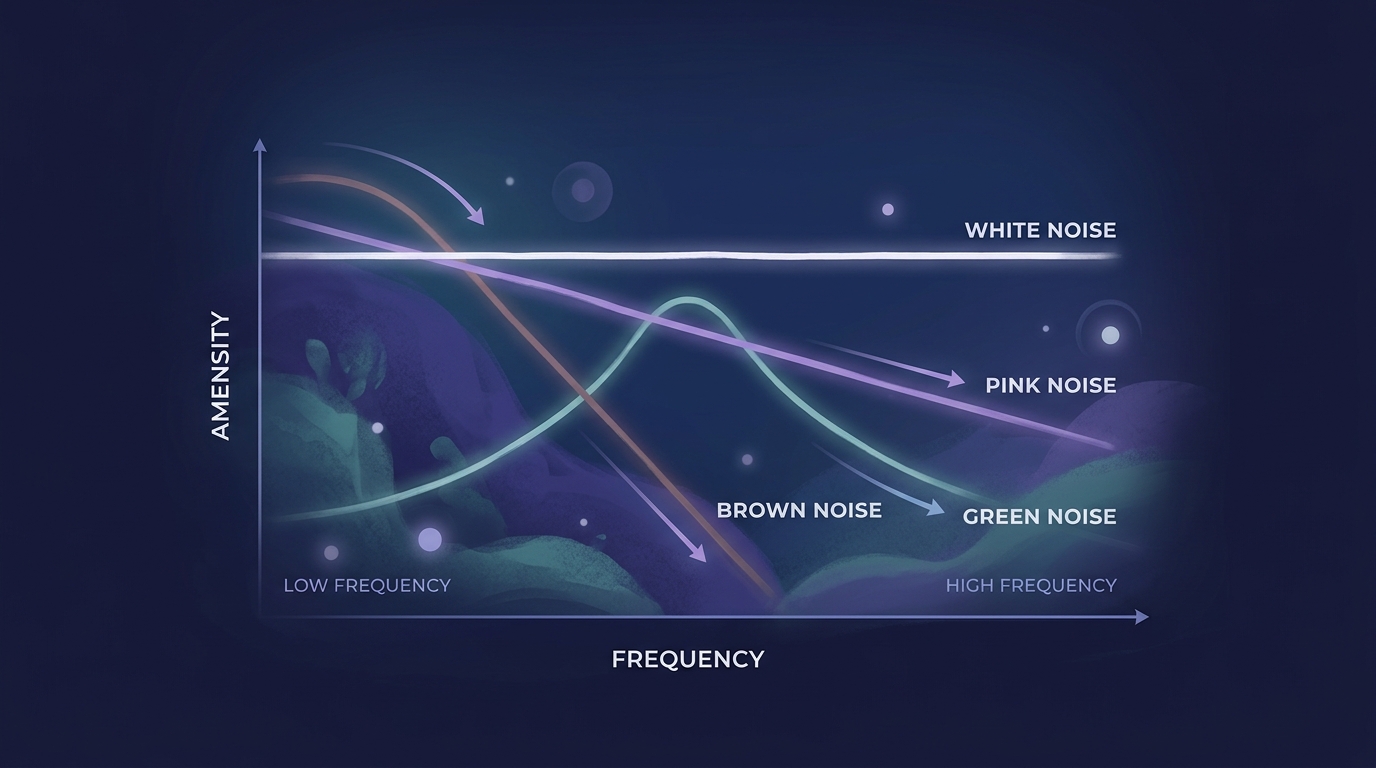
- White noise contains all frequencies at equal intensity (like television static).
- Pink noise has louder low frequencies and softer high frequencies (like steady rain).
- Brown noise has even stronger low frequencies and almost no high frequencies (like a deep, roaring waterfall).
Green noise sits somewhere in the middle. It emphasizes the mid-range frequencies, specifically hovering around 500 Hz. If you listen to it, it sounds less like harsh static and more like the ambient hum of nature—the wind rustling through leaves or a gentle, distant river.
Because the human ear is highly sensitive to mid-range frequencies, green noise is often perceived as incredibly natural and soothing.
Why the Internet Loves It
The appeal of green noise is twofold:
1. Nature-Mimicry
Humans evolved to find the sounds of nature deeply relaxing. The mid-range frequencies of green noise closely mimic the acoustic profile of a safe, natural outdoor environment. For an anxious brain, this signals safety and helps shift the nervous system from “fight or flight” (sympathetic) to “rest and digest” (parasympathetic).
2. Masking Annoying Sounds
Because it occupies the mid-range frequencies, green noise is excellent at masking human voices. If you are trying to sleep while your partner watches TV in the next room, or if you live in a noisy apartment building with thin walls, green noise can effectively drown out conversations without the harsh, hissing sound of white noise.
The Science Reality Check
While millions swear by green noise, it’s important to separate anecdotal trends from clinical research. As of early 2026, there are virtually zero clinical studies specifically examining “green noise” for sleep.
However, we do have extensive research on the broader category of broadband noise (which includes green, pink, and white noise). And this is where a crucial warning comes in.
A February 2026 study from Penn Medicine highlighted that playing uncalibrated broadband noise at volumes around 50 decibels can actually reduce REM sleep by up to 19 minutes a night in some individuals.
The takeaway? The sound you use matters, but how you use it matters even more. Blasting raw, uncalibrated audio from a random YouTube video might mask background noise, but it could also prevent your brain from achieving its deepest, most restorative sleep stages.
Want to try these sounds tonight? Sleep Relax has 100+ calming sounds with a built-in sleep timer.
Try Sleep Relax FreeHow to Use Green Noise Safely
If you want to try green noise, here is how to use it without disrupting your sleep architecture:
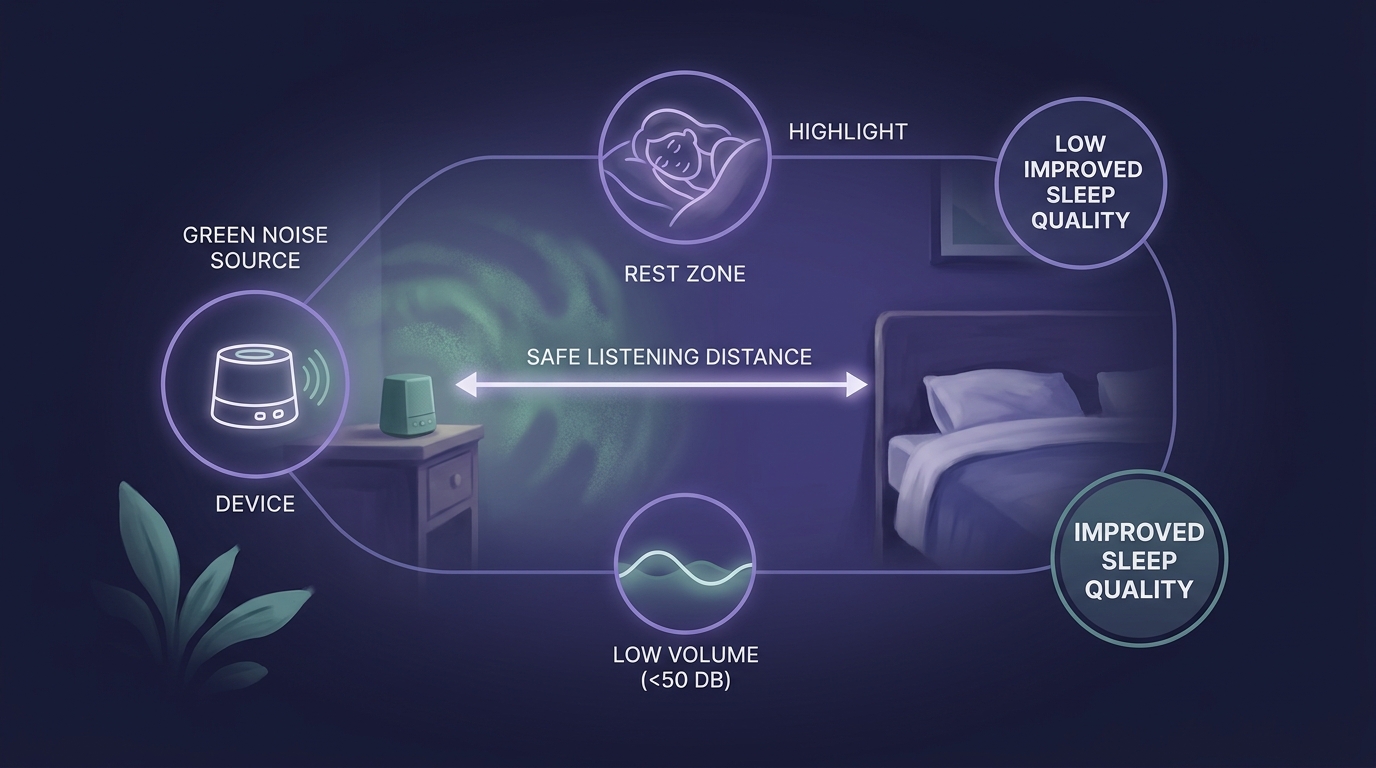
1. Turn the volume down
Your sleep sounds should act as a gentle background wash, not a wall of sound. Keep the volume low—around 40 decibels (the volume of a quiet library).
2. Use high-quality, curated audio
Avoid harsh, compressed audio from low-quality streams. Use apps that provide calibrated, high-fidelity soundscapes designed specifically to soothe the nervous system without causing auditory fatigue.
3. Try actual nature sounds instead
Because green noise is essentially an electronic approximation of nature, you might find even better results by listening to actual high-quality recordings of a forest, a gentle stream, or wind in the trees. These organic sounds contain natural variations that our brains are uniquely wired to find relaxing.
FAQs
Is green noise better for anxiety than brown noise?
It depends on your personal preference. Brown noise is very deep and heavy, which many people find physically grounding for severe anxiety. Green noise is lighter and more “ambient,” making it excellent for general relaxation and masking background voices.
Can I listen to green noise all day while working?
Yes, many people use green noise to improve focus and block out office chatter. Because it emphasizes mid-range frequencies (where human speech sits), it is an excellent tool for deep work and concentration.
Will green noise cure my insomnia?
No sound can “cure” clinical insomnia on its own. Green noise is a tool to create a relaxing environment and mask disruptive noises. If you suffer from chronic insomnia, it should be used as part of a broader sleep hygiene routine that includes stress management and consistent bedtimes.
This article is for informational purposes only and is not a substitute for professional medical advice. If you have chronic sleep issues or tinnitus, please consult a healthcare provider.
Sleep better tonight
60+ calming sounds, breathing exercises and a gentle 14-night sleep plan — all in one app.
Download Sleep Relax