The Hot Bath Sleep Hack: Why a Shower Before Bed Boosts Deep Sleep
You’ve probably heard that a warm bath before bed helps you sleep. What you might not know is why — and that the timing makes all the difference.
The mechanism is beautifully counter-intuitive: heat doesn’t relax you into sleep. Instead, a hot bath rapidly cools your body afterward, and that temperature drop is what triggers deep, restorative sleep.
The Thermoregulation Mechanism
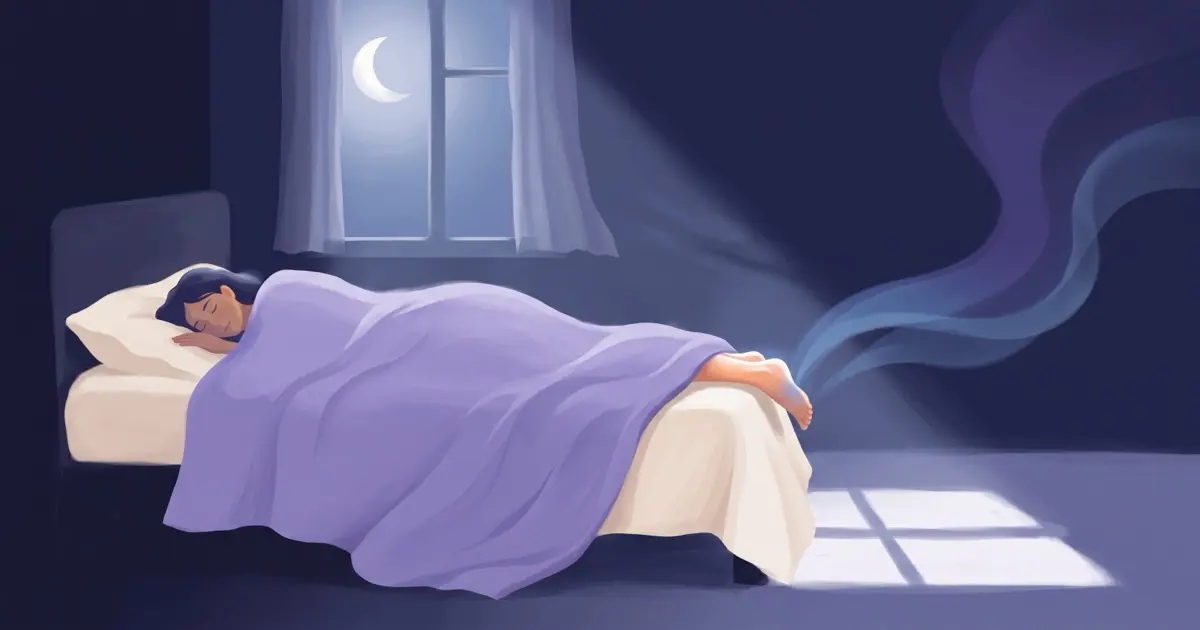
Your body temperature follows a circadian rhythm. It peaks in the late afternoon and drops to its lowest point around 3-4 AM. Sleep onset is tightly coupled to this cooling phase — your brain interprets falling core temperature as a signal to initiate sleep.
When you take a hot bath or shower, blood rushes to the surface of your skin (vasodilation). Step out into cooler air, and all that surface blood rapidly radiates heat away from your core. The result: your core temperature drops faster and further than it would naturally.
This accelerated cooling does two things:
- Triggers faster sleep onset — your brain receives a stronger “it’s bedtime” signal
- Increases slow-wave deep sleep — the deeper the temperature drop, the more time your brain spends in the restorative stages where growth hormone is released and the glymphatic system clears waste
The Protocol: Timing and Temperature
The research points to a specific window that works best:
When: 60-90 minutes before your intended sleep time. Not immediately before — your body needs time to cool down after the heat exposure.
Temperature: Warm to hot, around 40-42°C (104-108°F). It should feel pleasurably warm, not scalding. The goal is to raise skin temperature enough to trigger vasodilation.
Duration: 10-20 minutes is sufficient. You don’t need to soak for an hour.
The finishing step: End with a temperature-neutral or slightly cool rinse. This accelerates the cooling effect without the shock of a cold plunge.
Want to try these sounds tonight? Sleep Relax has 100+ calming sounds with a built-in sleep timer.
Try Sleep Relax FreeWhat the Research Shows
A meta-analysis examining the effects of passive body heating found that bathing in warm water 1-2 hours before bed improved both subjective sleep quality and objective measures like sleep onset latency (how long it takes to fall asleep).
The growth hormone connection is particularly interesting. Growth hormone is released primarily during slow-wave deep sleep — the exact sleep stage that temperature manipulation enhances. This is the same stage where your brain performs critical maintenance, clearing metabolic waste through the glymphatic system.
Andrew Huberman has highlighted this protocol extensively, noting that the temperature-neutral rinse at the end is important: it prevents you from getting into bed still feeling overheated, which would delay rather than promote sleep.
Shower vs Bath: Does It Matter?
Both work. A shower is more practical for most people and still triggers the vasodilation-then-cooling mechanism. The key factors are:
- Temperature — warm enough to flush the skin
- Duration — at least 10 minutes
- Timing — not immediately before bed
A bath has a slight advantage because immersion heats the body more uniformly, but the difference is marginal. Use whichever fits your routine.
Common Mistakes
Too close to bedtime. If you shower and immediately get into bed, your core temperature hasn’t had time to drop. You’ll feel warm and uncomfortable, not sleepy. The 60-90 minute buffer is essential.
Too hot for too long. An extremely hot bath can overstimulate your cardiovascular system, raising heart rate and cortisol — the opposite of what you want before sleep. Comfortably warm, not punishing.
Skipping the cool finish. A brief temperature-neutral or cool rinse at the end accelerates the cooling curve. It doesn’t need to be cold — just not hot.
Combining With Other Sleep Techniques
The temperature drop from a warm bath pairs well with other evidence-based sleep practices:
- Breathing exercises during the post-bath wind-down period activate the parasympathetic nervous system
- Dimming lights after your bath supports melatonin production — avoid bright bathroom lights if possible
- A consistent bathing routine at the same time each night reinforces your circadian rhythm, similar to how regular bedtimes protect heart health
The Bottom Line
A warm bath or shower 60-90 minutes before bed is one of the simplest, cheapest sleep interventions available. The science is straightforward: heat your body to accelerate cooling, and your brain interprets that cooling as a powerful sleep signal.
No supplements. No devices. Just warm water and good timing.
If you’re looking for sounds to accompany your wind-down routine after a warm bath, Sleep Relax offers a library of nature sounds, brown noise, and guided breathing exercises designed to deepen relaxation as your body temperature drops toward sleep.
Want to try these sounds tonight? Sleep Relax has 100+ calming sounds with a built-in sleep timer.
Try Sleep Relax FreeThis article is for informational purposes only and is not a substitute for professional medical advice. If you have persistent sleep issues, please consult a healthcare provider.
Sleep better tonight
100+ calming sounds, breathing exercises, and a sleep timer — all in one app.
Download Sleep Relax