Why One Foot Out of the Blankets Helps You Sleep: The Temperature Science
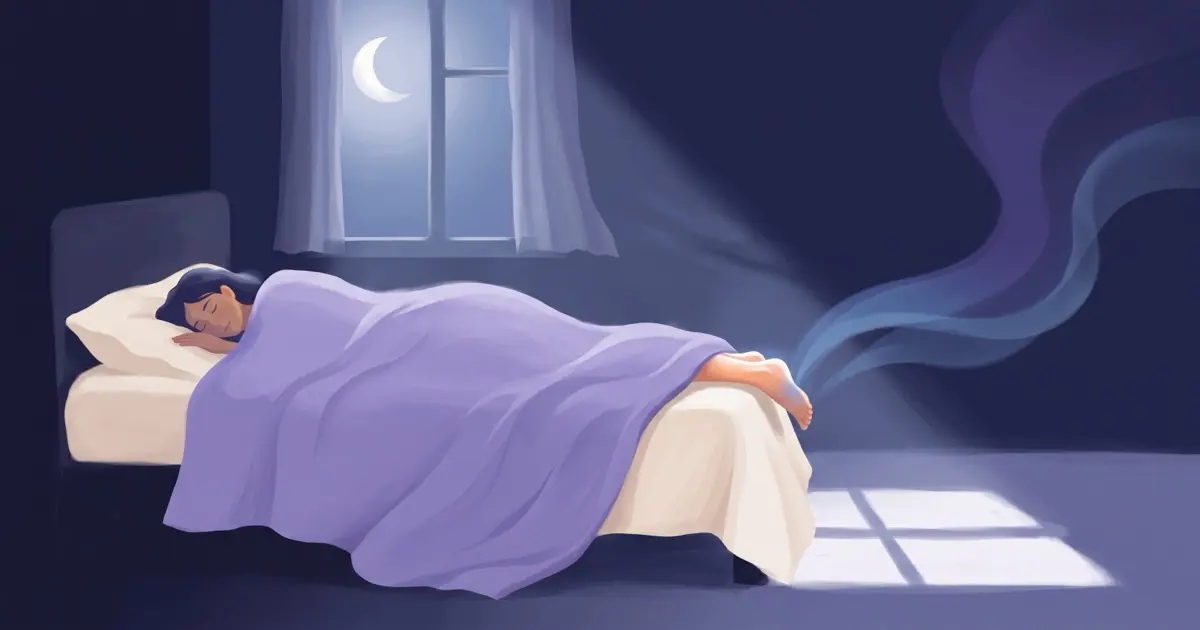
You are almost comfortable. The pillow is right, the room is quiet, and then your foot escapes from under the duvet as if it has made the decision without you. Minutes later, you finally drift off.
That oddly specific habit has a sensible biological explanation. Falling asleep is not only a mental event. It is also a heat-transfer problem, and your hands and feet are unusually good at helping the body solve it.
One foot outside the blankets will not cure insomnia. But when you are warm, restless and hovering just above sleep, exposing an extremity can make it easier for your body to release heat without making your whole torso cold.
Your Body Cools Before Sleep
Core body temperature follows a daily rhythm. It generally rises through the day, begins falling in the evening and reaches its low point during the latter part of the night. That evening decline is one of the body’s signals that biological night has begun.
The surprising part is that your skin can feel warmer while your core cools. As bedtime approaches, blood vessels near the skin of your hands and feet widen. Warm blood moves away from the centre of the body, reaches the surface and releases heat into the environment.
Researchers call the difference between temperatures at the hands or feet and the torso the distal-proximal temperature gradient. In a classic Nature study on sleep onset, this gradient predicted how quickly people fell asleep better than core temperature alone. Warm extremities were a sign that heat was moving outward effectively.
So “cool down to sleep” does not mean every part of you should feel cold. The useful pattern is a warm surface releasing heat from a gradually cooling core.
Why Feet Work Like Heat Vents
The soles of your feet and palms of your hands contain glabrous skin: hairless skin with a rich network of blood vessels involved in temperature control. Among these vessels are arteriovenous anastomoses, direct connections that can move blood toward the skin quickly.
When those vessels open, your feet become efficient radiators. Under a thick duvet, however, the surrounding pocket of air can become warm and humid. The temperature difference between skin and environment shrinks, making it harder to lose more heat.
Slide one foot into the cooler room air and that difference increases. Heat can leave by convection and radiation, while evaporation helps if the skin is slightly damp. Because only a small area is exposed, your chest and abdomen stay comfortably insulated.
This is why the trick feels more precise than throwing off the entire duvet. You open a small heat vent rather than removing the roof.
The Warm-Feet Paradox
If exposed feet release heat, why do cold feet also make it hard to sleep?
Cold feet mean the surface blood vessels have constricted to conserve heat. Less warm blood reaches the skin, so the core cannot release heat as efficiently. In a controlled study of feet warming and sleep, warming the feet was associated with changes that supported sleep onset, particularly in older adults without vascular problems.
The sequence is the key:
- Warm hands and feet by increasing skin blood flow.
- Let that warm blood release heat to the environment.
- Allow core temperature to continue its evening decline.
A warm bath before bed works through a similar mechanism. The bath warms the skin and opens blood vessels; after you get out, heat loss accelerates. Our guide to the hot-bath sleep effect explains why the cooling after the bath matters more than simply feeling cosy in it.
Want to try these sounds tonight? Sleep Relax has 100+ calming sounds with a built-in sleep timer.
Try Sleep Relax FreeTry the One-Foot Test Tonight
Treat this as a small experiment, not a universal rule.
Set up the room first
Keep the bedroom comfortably cool and use breathable bedding. There is no single ideal temperature for everyone: humidity, bedding, clothing, age and personal preference all change what feels right.
Warm cold feet before bed
If your feet are cold, exposing one immediately is likely to make you more alert. Wear loose socks for part of your wind-down or take a warm shower, then remove the socks when your feet feel comfortably warm. Avoid tight socks that leave marks or restrict circulation.
Expose one foot, not half your body
Lie down normally and slide one foot outside the duvet. Give the sensation several minutes. If it feels soothing and the rest of you stays comfortable, leave it. If you start shivering or focusing on the cold, put it back.
Compare three nights
Try one foot out for three nights, then both feet covered for three nights. Do not stare at the clock or score every minute. In the morning, note only whether settling felt easier, the same or harder. That is enough to decide whether the trick suits you.
If You Keep Overheating at Night
One exposed foot cannot compensate for a room or bed that traps too much heat. Work from the largest factors down:
- Choose breathable sheets and sleepwear
- Use layers rather than one heavy duvet
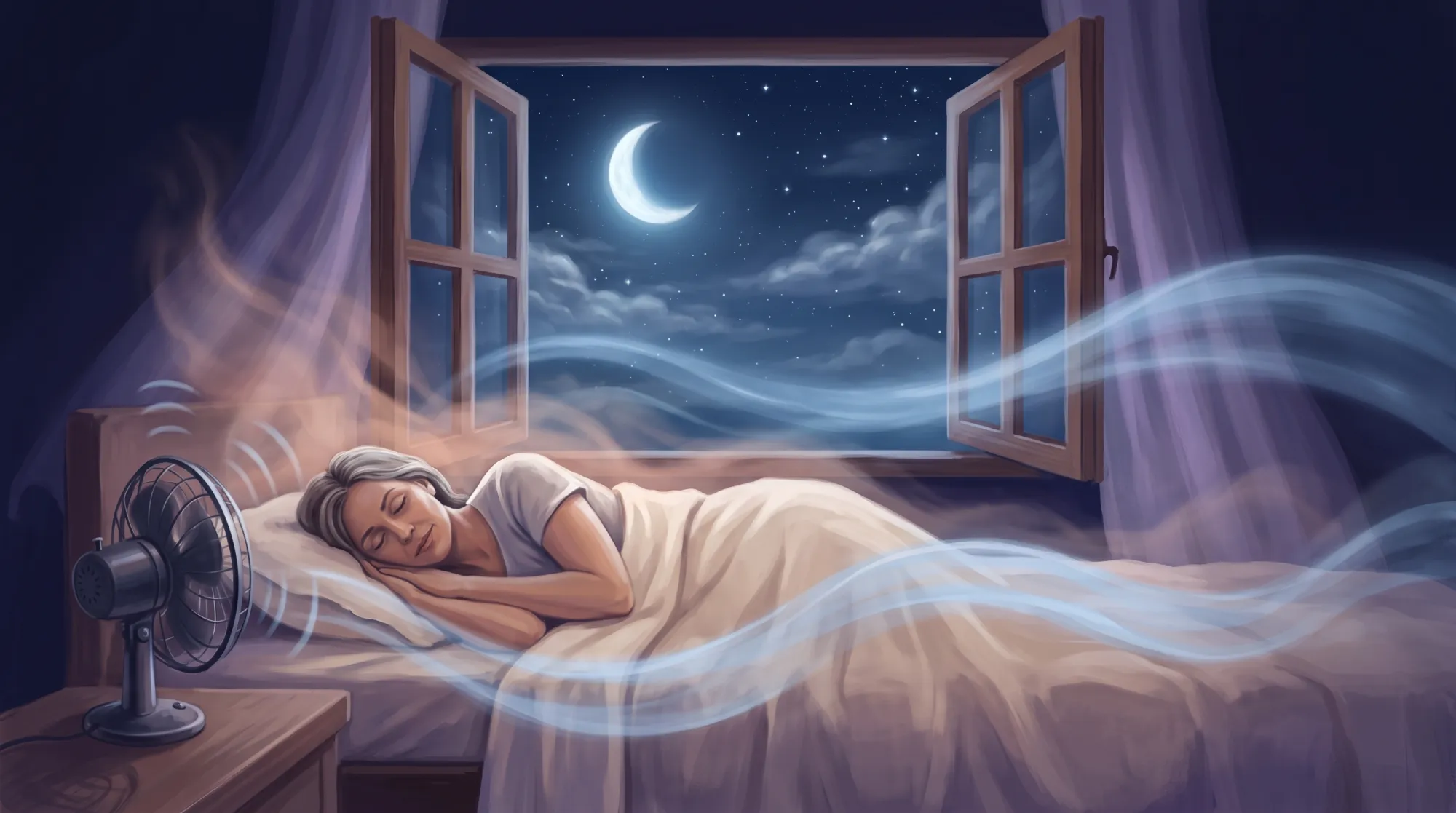
- Keep air moving with a quiet fan
- Reduce memory-foam heat buildup with a breathable topper or mattress protector
- Avoid intense exercise, large meals and alcohol close to bed if they reliably leave you hot
Abrupt temperature swings can also fragment sleep. A fan that turns on and off loudly may wake you even while it cools the room. A steady sound layer can mask that change; brown noise or rain sounds are less attention-grabbing than music with changing volume.
You can mix a consistent fan, rain or night sound in Sleep Relax while using the sleep timer to keep your environment predictable.
When Night Heat Needs Medical Attention
Feeling warm under heavy bedding is normal. Repeated drenching night sweats are different. They can occur with menopause, fever, medication effects, thyroid problems and other conditions. If night sweats soak your clothes or bedding, begin without an obvious reason, or come with fever, unexplained weight loss, pain or other symptoms, speak with a healthcare professional.
People with diabetes, neuropathy, Raynaud’s phenomenon or circulation problems should also be cautious with extreme heating or cooling of the feet, because temperature sensation or blood flow may be impaired.
The Takeaway
The one-foot trick works because sleep and temperature are tightly linked. Your body needs to move heat from its core to its skin before sleep, and the feet are built to help. Exposing one warm foot gives that heat somewhere to go while the rest of you remains protected under the covers.
It is a tiny intervention with an immediate feedback loop: if it feels comfortably cooling, keep it; if it makes you cold, stop. Sometimes better sleep really is that unglamorous.
FAQ
Why do I sleep with one foot outside the blanket?
Your foot may be helping regulate temperature. Exposing warm skin to cooler air allows more heat to leave while the duvet keeps the rest of your body comfortable.
Should my feet be warm or cold to fall asleep?
Comfortably warm feet generally support the outward blood flow that helps the core cool. They should not feel hot and trapped, but making already cold feet colder can delay comfort and sleep.
Does a cold bedroom improve sleep?
A comfortably cool room supports the body’s natural evening temperature decline. Extremely cold rooms can be counterproductive if they cause shivering, tense muscles or repeated waking.
Can hot feet at night be a medical problem?
Sometimes. Persistent burning, pain, numbness, swelling or drenching night sweats deserves medical advice, especially if it is new or worsening. Ordinary warmth under thick bedding is usually an environmental issue.
This article is for informational purposes only and is not a substitute for professional medical advice. If you have persistent sleep issues or unusual night sweats, please consult a healthcare provider.
Sleep better tonight
100+ calming sounds, breathing exercises, and a sleep timer — all in one app.
Download Sleep Relax