Vivid Dreams Make Sleep Feel Deeper: The NREM2 Dreaming Paradox
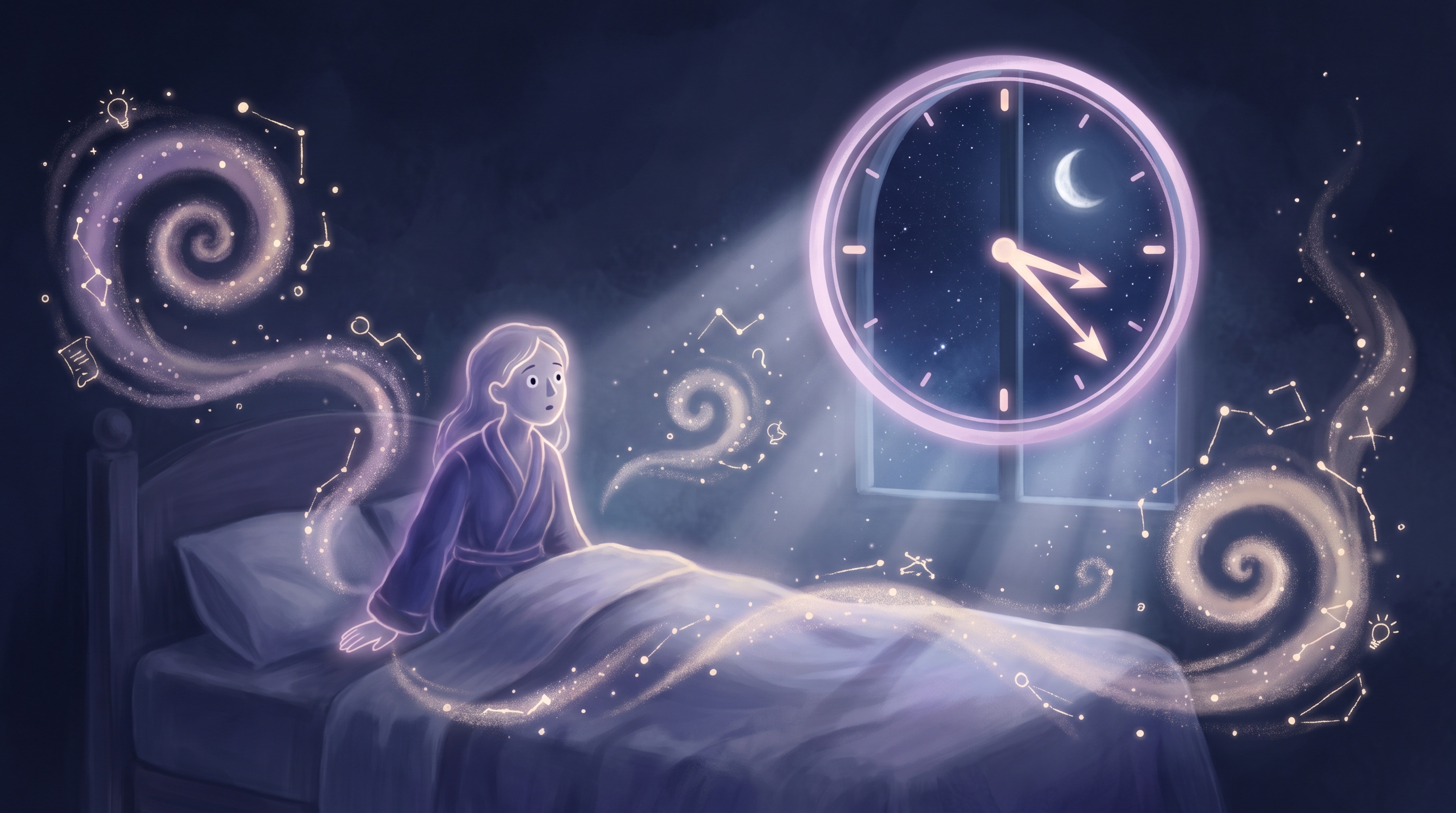
You wake up with the lingering memory of an incredibly vivid, immersive dream. You assume you must have been tossing and turning all night, trapped in a light, restless sleep. Yet, surprisingly, you feel incredibly refreshed. Have you ever wondered why some of your most dream-heavy nights leave you feeling the most deeply rested?
For decades, we’ve associated deep, restorative sleep with a completely blank, dreamless state. But fascinating new research is turning that assumption upside down, revealing that vivid dreaming in certain stages of sleep actually makes us feel like we’ve slept deeper. Welcome to the NREM2 dreaming paradox.
The Traditional View of Dreaming vs. Deep Sleep
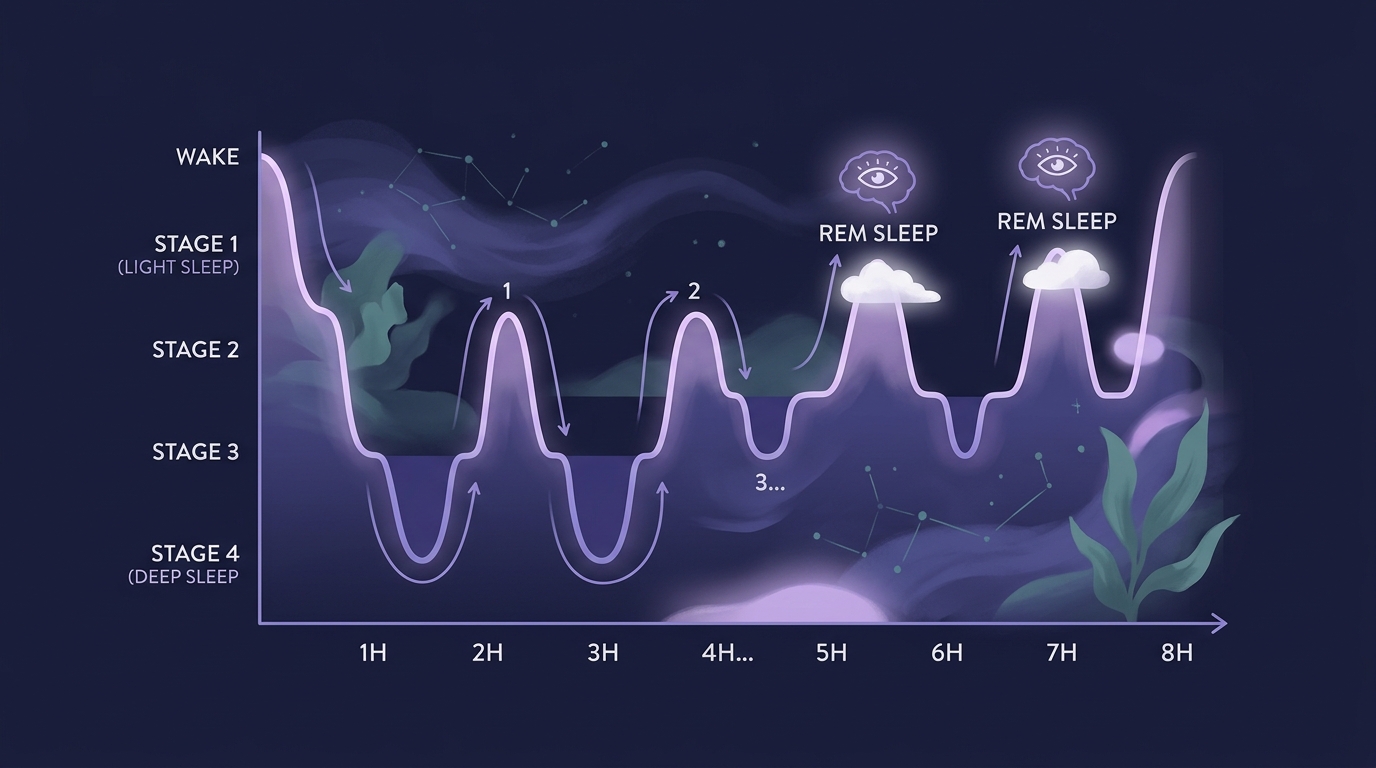
To understand the paradox, we need a quick refresher on sleep architecture. Our sleep is divided into Rapid Eye Movement (REM) sleep—where most of our bizarre, narrative-driven dreams occur—and Non-REM (NREM) sleep.
NREM sleep has three stages:
- NREM1: The brief, lightest stage of drifting off.
- NREM2: Light sleep where your heart rate and breathing stabilize.
- NREM3: Deep, slow-wave sleep, critical for physical restoration.
Historically, scientists believed that if you were dreaming, your brain was highly active (usually in REM), meaning you weren’t in the deeply restorative NREM3 stage. Therefore, more dreams meant less “deep” sleep.
The 2026 PLOS Biology Discovery
A groundbreaking 2026 study published in PLOS Biology by researchers at the IMT School for Advanced Studies challenged this conventional wisdom.
The researchers conducted a massive experiment, involving 196 sleep recordings and over 1,000 controlled awakenings. They woke participants up during NREM2 (light sleep) and asked them two questions:
- Were you dreaming?
- How deep did your sleep feel just before you woke up?
The results were counter-intuitive. When participants reported having highly immersive, vivid dreams during NREM2 sleep, they consistently rated their sleep as feeling deeper and more restorative, despite technically being in a “light” stage of sleep.
Why Does Dreaming Make Sleep Feel Deeper?
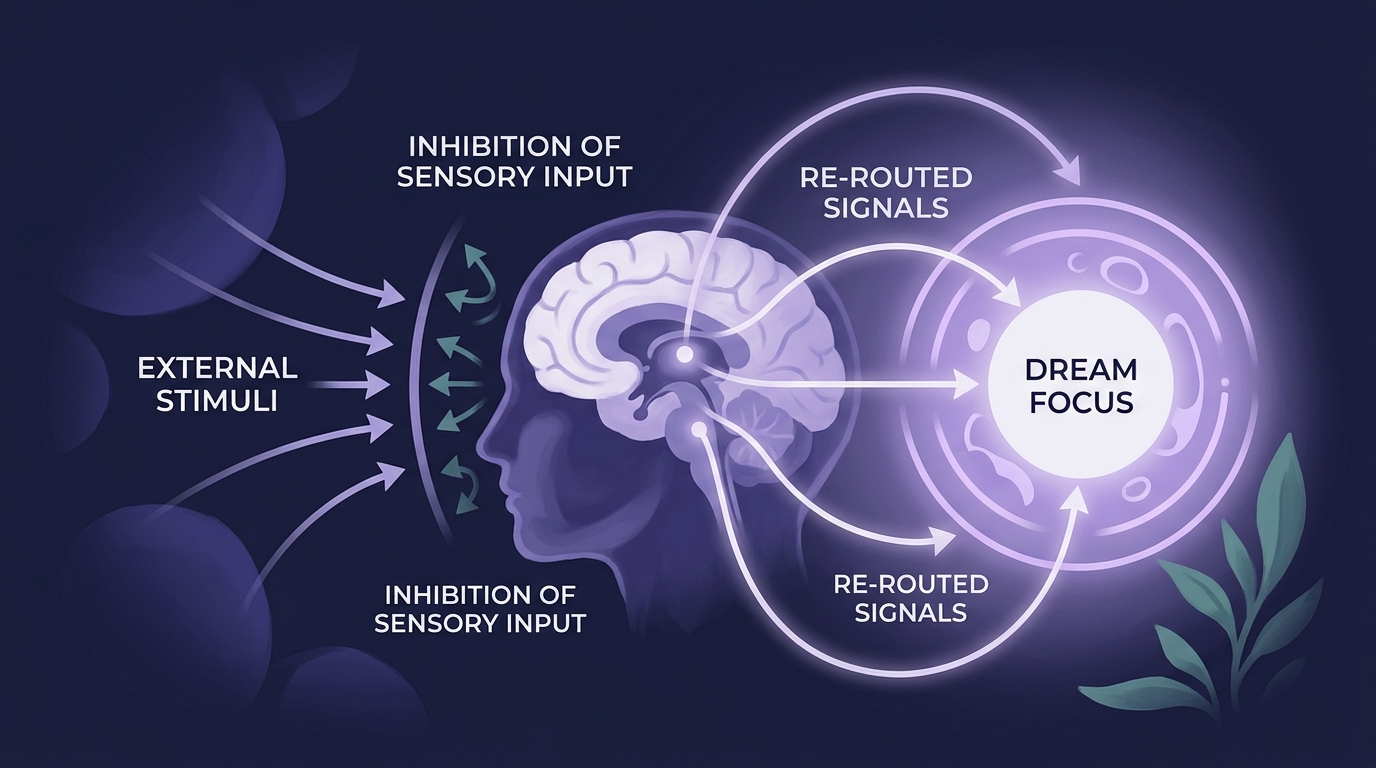
How can mental activity (dreaming) make us feel more deeply asleep? The researchers found that it comes down to sensory disconnection.
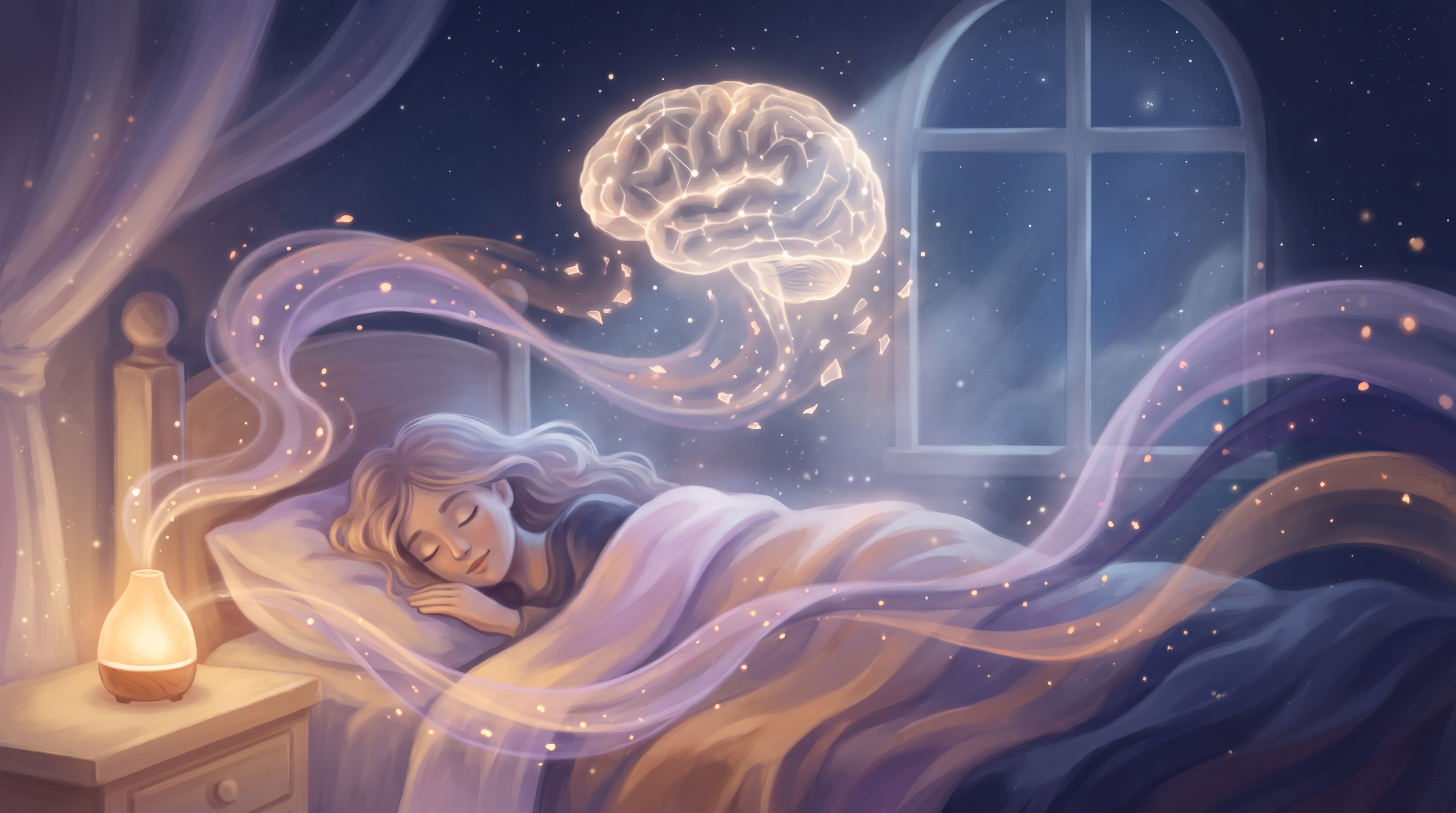
When you are having a vivid, immersive dream, your brain is fully occupied by the internal, generated reality of the dream. Because your brain is so focused on the dream world, it actively blocks out the external physical world—the sound of a passing car, the feeling of the mattress, the temperature of the room.
This profound disconnection from the outside environment is interpreted by your waking brain as “deep sleep.”
Want to try these sounds tonight? Sleep Relax has 100+ calming sounds with a built-in sleep timer.
Try Sleep Relax FreeWhat This Means for Your Sleep
If you frequently wake up remembering intense dreams and worry that you aren’t getting enough “deep sleep,” this research should offer some comfort.
1. Don’t stress about the dreams
Having vivid dreams does not mean your sleep is broken or un-restful. In fact, that mental immersion might be helping you feel more disconnected and rested.
2. Sleep tracking apps don’t tell the whole story
Many people use wearable sleep trackers that emphasize the percentage of NREM3 “deep sleep.” But these devices can’t measure your subjective experience. If your app says you had a lot of “light sleep” but you feel great because you were lost in a vivid dream, trust your body over the device.
3. The goal is disconnection
Whether achieved through deep slow-wave sleep or immersive NREM2 dreaming, the ultimate goal of sleep is to disconnect from the waking world.
FAQs
Are vivid dreams a sign of good sleep?
Not necessarily “good” or “bad.” While vivid dreams in NREM2 can make sleep feel subjectively deeper, an excess of extremely intense dreams or nightmares can sometimes be linked to stress or sleep fragmentation. Context matters.
Why do I remember my dreams some nights and not others?
You are more likely to remember a dream if you wake up directly during or immediately after the dream phase. If you transition into another sleep stage before waking up, the memory of the dream usually fades.
Do sleep sounds affect my dreams?
Yes. Gentle, continuous audio like ocean waves or pink noise can help maintain the sensory disconnection necessary for both deep sleep and immersive dreaming, preventing sudden external noises from pulling you out of your sleep state.
This article is for informational purposes only and is not a substitute for professional medical advice. If your dreams involve frequent, distressing nightmares that impact your quality of life, please consult a healthcare provider.
Sleep better tonight
60+ calming sounds, breathing exercises and a gentle 14-night sleep plan — all in one app.
Download Sleep Relax